Caregivers and the sandwich generation
Taking care of others can take a toll
By: Dr. James Aw, Chief Medical Officer, OMERS
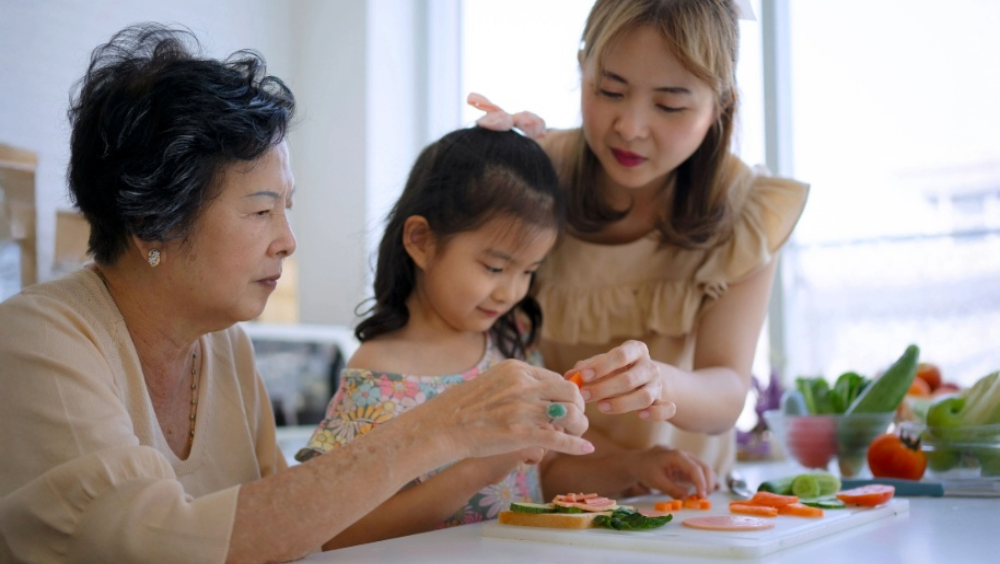
Taking care of a loved one with special health needs at any stage of life is complex. Younger adult caregivers may be taking care of a grandparent; middle-aged adults caring for a parent; the oldest caregivers for a spouse. Yet the sandwich generation caregivers are taking care of their children and aging parents at the same time. Often the problems are complex, with no easy solutions, and require daily attention. The sheer volume of tasks can easily get overwhelming and emotionally difficult. In my medical practice, patients often struggle with the lack of bandwidth, energy and time to balance caregiving responsibilities with their jobs and financial responsibilities as well as their own physical and emotional health needs. Personally, I’ve experienced this as well, taking care of my aging parents. Caregiving demands can be sudden during an unexpected health crisis of your loved one, or prolonged from progressive mental (i.e. dementia in elderly) and physical decline (frailty, loss of independence). Chronic psychosocial stress can increase the risk of cardiovascular disease, burnout, depression, as well as poor and decreased well-being of caregivers.
What are the risk factors for caregivers?
Burnout is higher in sandwich and parent-only caregivers compared to child-only caregivers. Taking care of parents compared to children provides unique challenges. Middle-aged caregivers (55+) can spend 1-2 hours per day dealing with parent needs. The parent-child role reversal (parent becomes dependent on the child) can be an emotional rollercoaster, balancing safe caregiving and parent’s preferences while they are declining both mentally and physically. The relationship quality (family dynamics) and caregiving intensity (>20 hours per week) are predictors of burnout. Taking your parents to medical appointments, dealing with their routine activities of daily living and keeping them safe can be a full-time job! Adult children living with their parent tend to be primary sole caregivers whereas non-live-in adult children have a lower day to day burden, but may carry more guilt. Higher caregiver burden is associated with attachment insecurity (both anxious and avoidant caregivers) which can lead to depression and anxiety. Long-distance caregiving is even more stressful if you are actively involved. Health outcomes depend on the ability to coordinate the logistics of local support networks and managing financial, legal and medical decisions from afar. Frequent travel to check in on parents also takes a toll over time and puts a strain on families juggling multiple duties and responsibilities.
Adult children caring for a parent with dementia is particularly challenging because of role conflict, guilt and disrupted life trajectory, and is worse for daughters (at risk for depression) who may take on a disproportionate amount of the emotional burden and daily tasks amongst siblings. Parents with dementia and extended uncertain health decline can lead to high caregiver pre-death and anticipatory grief, which are risk factors for complicated grief after death of a loved one. Young-onset dementia in a parent can impact the adult child with resentment, disrupted career/family development and grief from premature loss of parental support. Parents with behavioural and psychological symptoms of dementia (BPSD) are agitated, aggressive and delusional and this is the most difficult type of caregiving which can lead to depression, anxiety, insomnia and cardiovascular risk in caregivers.
What can caregivers do? Heal thyself and get a support system in place
Prepare yourself and don’t do it alone. Get educated on caregiving resources, talk to others who have gone through caregiving and be open minded, with ongoing communication with all stakeholders. Ask for help early. Don’t focus on perfection, but don’t be complacent. Develop a proactive “preparedness to care” plan and start building the social capital and support system (family, community, healthcare providers, workplace benefits). Review the financial, legal and health plan for social and healthcare support services. Create a caregiver worksheet.
Caregivers should practice daily self-care habits that incorporate exercise, mindfulness-based stress reduction (meditation, yoga, tai chi, relaxation techniques), nutritious diet and restorative sleep. Keep up with your hobbies, interests and friends. If you are struggling with stress then you should consult your healthcare provider (counselling support, cognitive behavioural therapy, etc.). Get routine health examinations with your physician to stay on top of preventable cardiovascular risks, chronic diseases and mental health.
The National Institute on Aging has listed some things caregivers can say to themselves that might help them feel better:
I’m doing the best I can.
What I’m doing would be hard for anyone.
I’m not perfect, and that’s okay.
I can’t control everything that happens.
Sometimes, I just need to do what works for right now.
Even when I do everything I can think of, the person with Alzheimer’s will still have problem behaviours because of the illness.
I will enjoy the moments when we can be together in peace.
I will seek help from professionals if caregiving becomes too much for me.
Give yourself some love
Caregivers are amazing. It takes a village to raise a child, take care of elderly parents and a loved one with special needs. I’ve met many unsung heroes that have dedicated their lives and careers to helping people during their most vulnerable moments. It’s not just keeping your loved ones safe and comfortable, but allowing them to live with dignity and a degree of normalcy. In the end, it’s all about the social interactions that bring people joy and hope. Love wins. Adult children report higher levels of personal growth from the experience of caregiving their aging parents. It’s tough but meaningful and can be rewarding even if it may feel sad and hopeless at times. Remember that you are not alone and we all have to go through this at some point. Take care of yourself and don’t forget to give yourself some credit for all you are doing. Caregiving can be a thankless job, but know that you are making a huge impact on someone’s life!
For those who want to read more!
The information, content and material provided by OMERS Administration Corporation at each link on this page is provided for informational purposes only and is not intended to be, or to substitute for, medical advice. Always seek the advice of a qualified healthcare professional if you have any questions regarding a medical condition or treatment and do not disregard or delay seeking professional medical advice because of the content provided at any of the links on this page. OMERS AC and its affiliates and other investment entities are not responsible or liable in any manner for your use of or reliance on the above information.
Stories we think you'll like
The StethOscope: Issue 4
6 min read
Why Canada’s World Cup team and Ontario caregivers are training on the same system
5 min read