This holiday season: lean in, connect and feel good
By: Dr. James Aw, Chief Medical Officer, OMERS
December 18, 2025
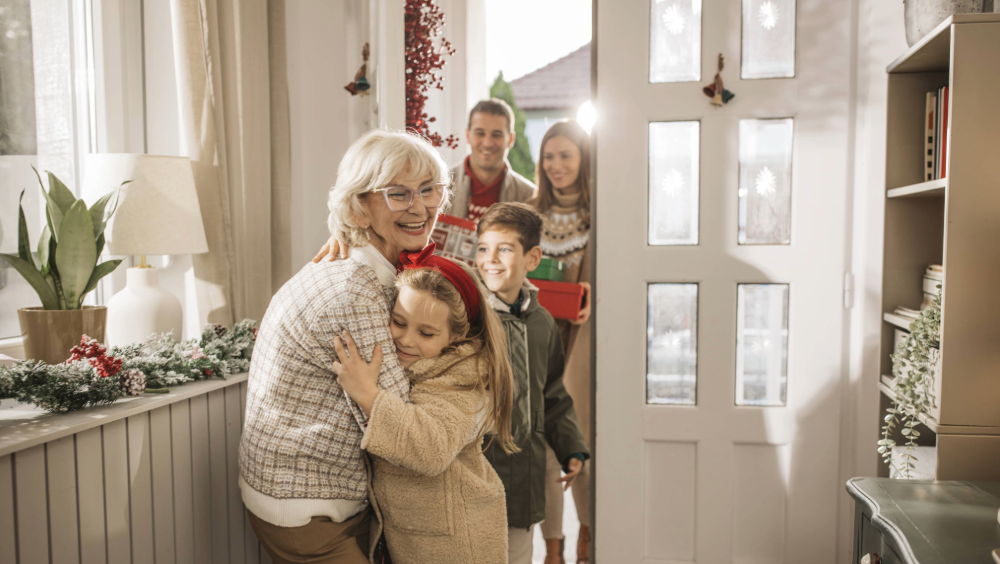
The holiday season is rich with social traditions that bring people together. It’s a wonderful time to interact with family and friends and nurture one of the most important factors in overall wellbeing: healthy relationships!
Social connectedness modulates brain activity and rewards the “social brain” (medial prefrontal cortex linked to social cognition and behaviour). Functional MRI studies have shown that social connectedness either has positive effects (i.e. social acceptance) or negative effects (i.e. social isolation) on brain activity. Social acceptance (belongingness) is linked to feeling recognized and respected amongst your social ties. This social capital can be measured by the strength and trustworthiness of relationships with family, friends and neighbours as well as connections to workplace, religious and community groups.
Studies have shown that social wellbeing is important for life satisfaction and successful ageing. Relationship quality, emotional support, intimacy motivation (the readiness for warm, close, communicative relations with others) and the ability to maintain meaningful connections are highly predictive of successful ageing.
What about holiday stress, complex interpersonal family dynamics and loneliness?
Bringing everyone together over the holidays can be a pressure cooker of social expectations, financial pressures, disrupted routines and anticipatory stress! Social wellbeing can be negatively affected by toxic relationships and difficulty adapting to socially stressful situations.
Sadly, many also spend the holidays alone. According to the World Health Organization, loneliness is a threat to global health. The highest risk groups include the very young (teens and young adults who can be prone to depressive symptoms) and the very old (those over 75 years old who may feel socially isolated as social networks shrink). Loneliness is not only linked to depression and anxiety, but can also worsen conditions like diabetes and heart and stroke disease. Other vulnerable groups over the holidays can include women, single or separated individuals and those with lower incomes.
For men, early, warm childhood nurturing experiences are predictors of maintaining larger support networks, quality family relationships into adulthood and adaptive defense mechanisms. Intimacy motivation (the readiness for warm, close, communicative relations) by age 30 has psychological benefits that last decades with respect to marital and occupational satisfaction. Loneliness for men tends to follow a U-shaped curve (worse at ages 40 and 80).
For women, loneliness levels increase with age, with social isolation and lack of social support, serving as risk factors for poor wellbeing. Studies suggest women prefer social, task-oriented and participatory activities (hobbies), while men benefit from casually being with others (hanging out) and through social networks (associative memberships).
Being part of a strong community (particularly in certain cultures) helps socially isolated individuals develop resiliency and higher subjective wellbeing. Culturally adapted programs, community-based delivery and group interventions can improve social wellbeing for those who feel isolated. Consulting with a Physician or Psychologist can also facilitate safe social connections via social prescribing (support resources) and training in healthy coping mechanisms like cognitive behavioural therapy, with a focus on resilience and self-management. Older adults will benefit from combining physical activities with social participation (i.e. art-based interventions or animal therapy).
Social fitness is just as important as physical exercise!
Humans need social interaction much like they need air to breathe. The quality of relationships – old and new – matters, and the holiday season is a great time to stay socially connected. But it does require effort and a positive, optimistic mindset. Social wellbeing is one of the most important modifiable factors for overall health.
So, please enjoy the holidays. Relax and have fun. Prioritize your social wellbeing, lean in and enjoy the company of others! Social connection is good for you.
The information, content and material provided by OMERS Administration Corporation at each link on this page is provided for informational purposes only and is not intended to be, or to substitute for, medical advice. Always seek the advice of a qualified healthcare professional if you have any questions regarding a medical condition or treatment and do not disregard or delay seeking professional medical advice because of the content provided at any of the links on this page. OMERS AC and its affiliates and other investment entities are not responsible or liable in any manner for your use of or reliance on the above information.
For those who want to read more!