The health effects of poor air quality
By: Dr. James Aw, Chief Medical Officer, OMERS
July 16, 2026
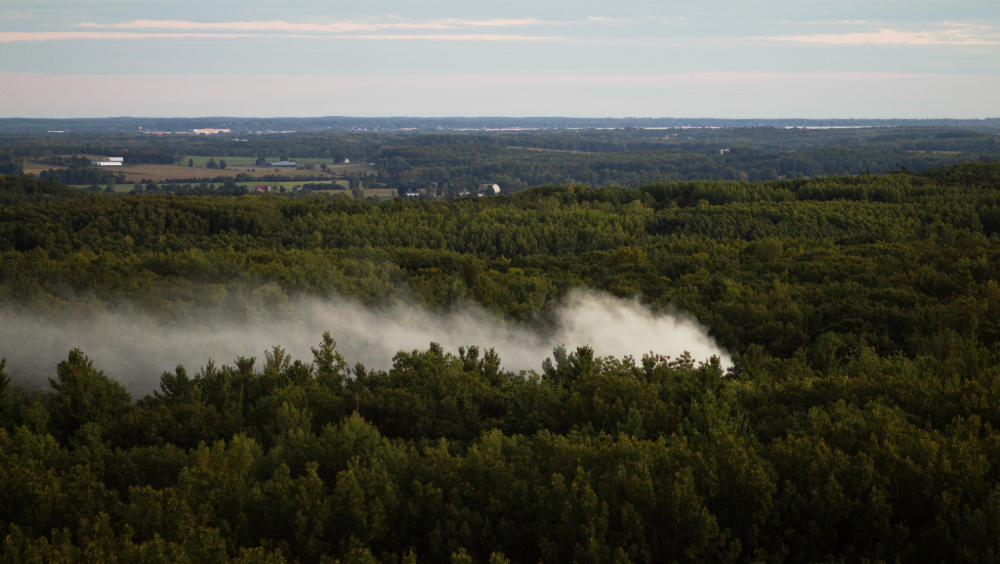
I’ve written previously about the effects of climate change, outdoor air quality and health effects. Sadly, we are currently experiencing a wave of poor air quality because of ongoing forest fires. The mix of heat waves, pollution and smoke-filled air makes it hard for all of us to breathe. The particulate matter in the air from fire smoke mixing with other emissions can cause lung, heart and nervous system symptoms with prolonged exposure to poor quality air. Please check your local public health departments for updates on air quality and health precautions.
In my medical practice, who am I particularly worried about?
Most vulnerable individuals are those with pre-existing heart (coronary artery disease, stroke, heart failure, arrhythmias, hypertension) and lung disease (asthma, COPD, cystic fibrosis), older adults (>65 yrs), children, pregnant women, diabetics, obesity, weakened immunity (i.e. organ transplant, cancer), reduced cognitive function (dementia, neurodivergent children) and those who have high levels of outdoor exposure. The inability to breathe will exacerbate their underlying conditions and may cause flare ups. Chronic poor air quality can also have long term effects.
What can you do?
Check public health sites that report on air quality (i.e. Air Quality Index) in your area. Avoid outdoor activities during high pollution periods.
Close windows and use air conditioning when staying indoors to avoid indoor particulate matter entering. Consider portable air cleaners (HEPA filter air purifiers).
If outdoors, avoid vigorous exercise on poor air quality days.
Using facemasks (N95 respirators) can reduce particulate matter inhalation.
Consult with your physician if you have any new symptoms or worsening of any pre-existing conditions.
Remember to stay focused on your mental health and maintain your daily healthy habits. You may need to make some adjustments to your routines to avoid prolonged outdoor air exposure, but stay active and healthy!
Further reading:
The information, content and material provided by OMERS Administration Corporation at each link on this page is provided for informational purposes only and is not intended to be, or to substitute for, medical advice. Always seek the advice of a qualified healthcare professional if you have any questions regarding a medical condition or treatment and do not disregard or delay seeking professional medical advice because of the content provided at any of the links on this page. OMERS AC and its affiliates and other investment entities are not responsible or liable in any manner for your use of or reliance on the above information.
Stories we think you'll like
Emerging environmental threats in cancer
4 min read
Healthy habits 2026. This is the year!
3 min read